
Study in Italy
Low tuition with income-assessed regional scholarships covering fees, meals and housing.
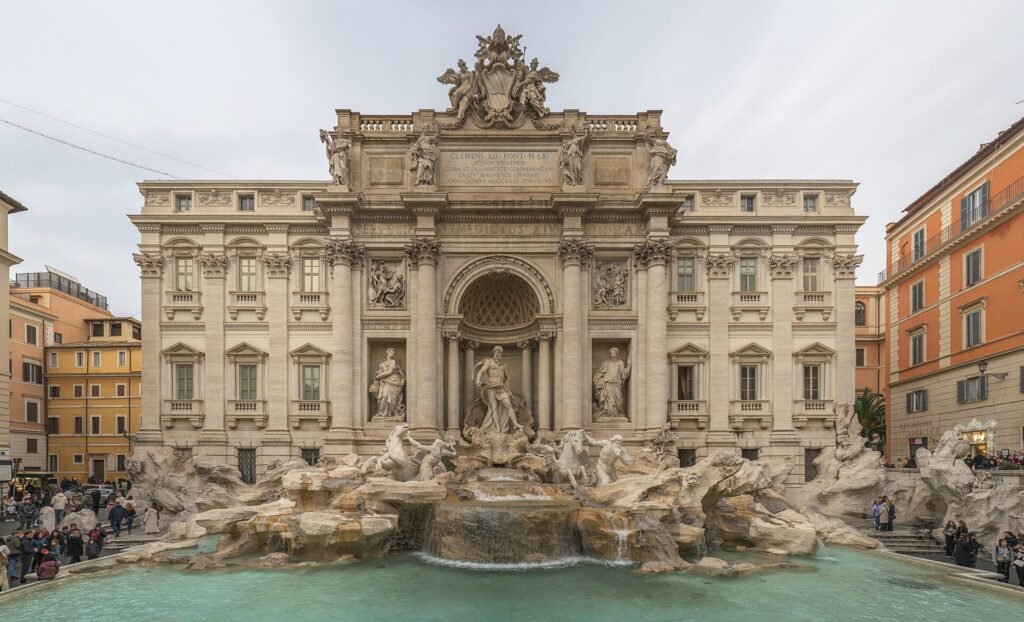
What makes Italy worth considering
Italy offers some of the lowest public university tuition in Western Europe, and its regional DSU scholarship system is unusually generous — income-assessed awards can cover tuition, accommodation and meals. It is also the natural choice for design, fashion and architecture.
Very low public tuition
Public university fees are income-assessed and often fall below €1,000 per year for international students.
Regional DSU scholarships
Region-based awards can cover a tuition waiver, free accommodation, meal vouchers and a cash stipend.
Design, fashion, architecture
Milan, Florence and Turin are global centres for design, fashion and architectural education.
Engineering strength
Politecnico di Milano and Politecnico di Torino rank among Europe's leading technical universities.
Low living costs
Outside Milan and Rome, student living costs are among the lowest in Western Europe.
English-taught growth
A growing catalogue of English-taught bachelor's and master's programmes.
Key facts
| Tuition (public) | €900–€4,000 per year, income-assessed |
|---|---|
| Tuition (private) | €6,000–€20,000 per year |
| Living cost | Approximately €600–€800 per month |
| Financial proof | Approximately €6,900 per year |
| Intakes | September/October (main), some February entry |
| Language | English-taught available; Italian required for some courses |
| Work while studying | Up to 20 hours per week |
| Post-study stay | 12-month job-search permit |
Popular courses
- Politecnico di Milano
- Politecnico di Torino
- Sapienza University of Rome
- University of Bologna
- University of Padua
- Politecnico di Bari
- University of Milan
- Ca' Foscari University of Venice
About Italy
Country facts
Italy is a southern European country of about 59 million people, shaped by the Mediterranean and the Alps. Italian is the official language. Rome is the capital, while Milan, Bologna, Turin, Florence and Padua are major university cities.
Higher education system
Italian higher education is delivered by state and private universities, polytechnics and the AFAM system for arts and music. Tuition at public universities is income-assessed through the ISEE calculation, which often makes it very low for international students.
Admission requirements
- Relevant academic qualification with Declaration of Value (DoV) or CIMEA statement
- Universitaly pre-enrolment before the visa application
- IELTS 6.0–6.5 for English-taught programmes
- Portfolio for design and architecture programmes
- Motivation letter and CV
- Proof of accommodation in Italy
Thinking about Italy?
Send us your academic record and budget — we will tell you honestly whether Italy is the right fit, and which universities you are competitive for.